
Developers worldwide are turning to AI to write code, but confidence in the technology is still shaky. The latest global C++ developer survey of over 1,400 programmers reveals a split between rapid adoption and lingering doubt.
AI Usage Grows Fast
More than half of respondents (58%) say they use AI tools to generate code, write tests, or explore unfamiliar code "almost every day," "often," or "sometimes." Another 14% admit to using AI only "rarely," while 28% have never tried it.
What Developers Use AI For
- Writing new code – the top use case.
- Creating unit tests – second most common.
- Debugging, code review, and performance tuning – used less often, indicating AI is seen as a first‑step aid rather than a full replacement.
Trust Issues Remain
Even as adoption rises, 78% of developers worry that AI‑generated output is wrong. Other concerns include:
- 70% distrust the accuracy of results.
- 51% say AI lacks context for complex problems.
- 50% flag data‑privacy risks.
Ethical and environmental worries also surface, especially as AI boosts productivity while companies trim staff.
Tool Landscape
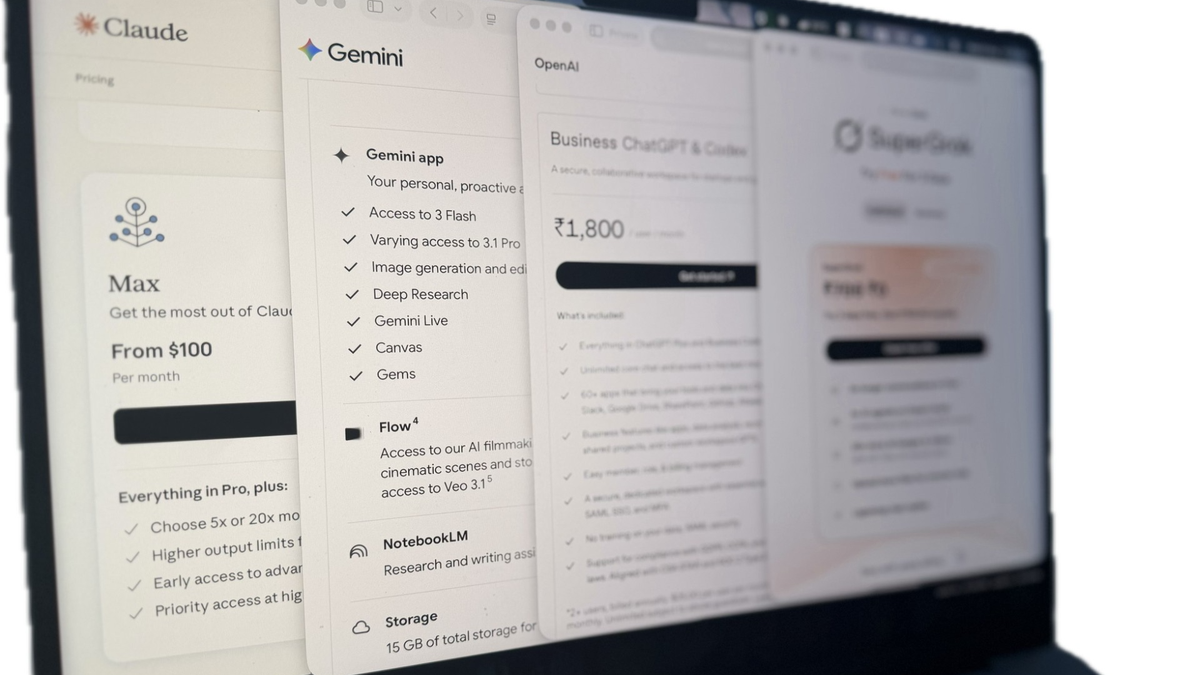
GitHub Copilot leads the pack, used by 53% of respondents. Claude Code follows at 44%, showing a steady rise. OpenAI’s Codex trails far behind at 14%.
For general‑purpose assistance, ChatGPT tops the list (53% usage), with Gemini (39%) and Claude Chat (30%) trailing.
Where AI Falls Short
Survey participants agree AI struggles with:
- Large, complex C++ projects.
- Safety‑critical code.
- Architecture‑level decisions.
- Highly contextual debugging.
Conversely, AI shines at decoding legacy or unfamiliar code, helping developers get up to speed quickly.
What This Means for the Industry
Developers view AI as a supportive assistant, not a replacement. The technology must prove its reliability, especially where a single bug can cause major security breaches.
"AI helps me start a task faster, but I still double‑check every line," says one surveyed C++ engineer.
As tools improve and trust gaps narrow, AI could become a standard part of the software‑development toolkit.